High performance is not a purely physical achievement. Athletes carry stress in tissue, posture, breath, and reflexes. The body remembers near-misses, surgeries, and high-stakes moments, then replays them as tension, hesitation, or pain. Somatic therapy meets that memory where it lives, in the physiology that sets the stage for movement, focus, and recovery.
I learned this standing beside a 400-meter runner on the infield of a small college track, years ago. Her stride looked clean on video, yet something snagged every time she approached race pace. She had torn a hamstring the season before. Cleared by imaging and strength tests, she still braced at the exact step where it had let go. We spent three sessions doing slow, precise accelerations, paired with breath-led downshifts and tactile mapping of the back line of her leg. On day four she hit speed without the flinch. Nothing magical happened. We simply helped her nervous system update its threat prediction in the context of real movement.
Somatic therapy, at its best, does that: it teaches the physiology of self-protection to trust movement again.
What somatic therapy means in sport
Somatic therapy focuses on the felt sense of the body, not as an abstraction but as a set of trackable signals. Interoception, proprioception, and vestibular input inform the brain’s constant assessment of safety. When you sprint, vault, cut, or punch, that assessment turns the dial on tone, breath, and focus. If the dial is stuck, performance narrows.
Athletes often present not with dramatic trauma but with a cluster of smaller, repeated alarms. An ankle that rolled twice in one season. A head knock that resolved, except for a dim halo of dizziness. A coach who yelled last year, now long gone, but whose tone resurfaces when the stadium Gets Loud. The body adapts strongly, often beautifully, yet those adaptations can harden into patterns that limit range, stability, or confidence.
This is where trauma therapy intersects with sport. Not all injuries create trauma, and not all trauma follows injury. Yet the nervous system does not care about labels. It cares about threat, overwhelm, and what it had to do to get you through. Somatic therapy respects those adaptations, then works to install new options that do not cost you power or creativity on the field.
The physiology behind performance blocks
A few mechanisms show up repeatedly in athletic cases.
First, protective guarding, a smart reflex that tightens fascial lines and deep stabilizers around a vulnerable joint. It helps early, then lingers, cutting off force transmission. Think of a striker whose hip flexors clamp every time they open their stride, robbing acceleration.
Second, anticipatory breath-holds and short exhales, which bias the system toward sympathetic activation. Mild adrenaline can be useful, but chronic bias reduces fine motor control, blunts perception of available space, and delays downregulation after effort.
Third, altered orientation to the environment. After a crash or collision, many athletes reduce head movement and narrow their visual field. That tunnel can feel like focus, but it limits spatial awareness and fluid decision-making.
Finally, memory that lives in sequence and speed. The nervous system associates very specific cues with risk: the third step of a swing phase, the last turn before home, the echo off the pool tiles. These are not cognitive ideas. They are timing and context. You cannot talk the body out of them. You can only move with them, then through them.
When trauma therapy belongs in the training plan
In sport, trauma therapy sounds heavy until you translate it into practical markers:
- The athlete knows the movement, but the body will not organize it when it matters. Small triggers produce outsized reactions: a start gun spikes nausea, a padded pole looks like a cliff. Pain persists beyond tissue healing timelines, despite sound rehab. The athlete overprepares mechanically, losing rhythm, or underprepares emotionally, avoiding key drills.
A football player who woke up intubated after a rib fracture may not remember the panic, but his diaphragm does. A gymnast with repeated growth-plate injuries may unconsciously limit extension to avoid a flash of pain that happened once at a meet in January. A fighter who returns after a knockout sometimes feels an invisible edge three feet from the opponent, as if walking to a fence.
This is not only about past events. High-volume training, travel, sleep debt, and unstable roles on a roster build allostatic load. Somatic therapy provides deliberately slow, precise inputs that tell the body it has options. You see it when a jaw unlocks without cueing, or when a scapula glides on the ribcage for the first time in months, or simply when an athlete reports, I felt the fear rise and fall without tightening my hands.
Movement therapy, integrated, not added on
Movement therapy in elite settings often suffers from a “more correctives” problem. Sheets of exercises accumulate. The athlete complies, then forgets half of them, or does them mechanically. Somatic work flips that. We prioritize fewer drills with exact dosing and live feedback.
A typical session blends three strands. First, orienting and breath to reduce baseline noise. Second, graded exposure in the athlete’s real movement, not a proxy. Third, consolidation with a downshift that seals the work into memory. The details vary by sport, but the arc remains simple enough to use in the field.
Here is one clear way to structure a 30 to 45 minute session around a key stressor without exhausting the athlete:
Arrive and orient: scan the room with the eyes, let the head turn, name five stable landmarks, extend the exhale for two minutes. Map the pattern: palpate or gently contract-relax the lines that brace, then walk or shadow the movement at half speed while tracking breath. Grade exposure: add one load or one speed variable, then pause for 60 to 90 seconds and notice the first signs of over-bracing. Repeat and vary: change surface, angle, or timing, keeping reps low. Stop before the nervous system outruns its capacity to integrate. Close and consolidate: lie down or sit, notice after-sensations, and agree on one micro-practice to perform that evening.The sequencing matters. Athletes learn to discriminate between effort and pressure, between pain and meaningful sensation, and between real threat and the body’s old habits. Over time they need less conscious control, because the pattern of safe movement replaces the pattern of protection.
Grief counseling in sport, and why it fits here
Grief counseling belongs in a piece on athletic somatics for a simple reason: loss is physical. When a season ends on a blown knee, when a lineup spot goes to a teammate, when a dream of a national team fades, the chest changes shape. Appetite shifts. Sleep slides. The body downregulates not only from injury but from an identity bruise.
Grief unprocessed shows up as low drive, irritation, or a vague ache that no scan can locate. It also shows up as training harder than needed, as if effort could outrun loss. Sitting with grief in a somatic frame is not talk first, body second. We pace talk with breath and posture. We let tears, if they come, arrive with support under the back and feet. We help the athlete sense the difference between collapse and release. These are not soft skills. They restore choice.
In one case, a swimmer who missed an Olympic cut by thirteen hundredths could not sleep through the night for weeks. She kept adding doubles and felt worse. We cut volume by 20 percent, removed caffeine after noon, and added a six-minute evening practice: orienting, two rounds of 4-7-8 breathing, then a brief pendulation between a neutral anchor and the ache around her sternum. She stopped waking after four nights. The water felt heavy for a week, then lighter. She did not need motivation. She needed permission to metabolize loss.
Attachment therapy where team and trust intersect
Attachment therapy can sound distant from performance until you watch how athletes relate to coaches, medical staff, and teammates. Early attachment patterns shape how we ask for help, how we tolerate feedback, and how we regulate under pressure. An athlete with an avoidant style might dodge the training room when injured, or nod at instructions they do not intend to follow. An athlete with an anxious style might over-seek reassurance, adding pressure to a coach-athlete bond that already carries workload and selection decisions.
Somatic approaches to attachment pay attention to the micro-movements in these interactions: eye contact that darts away, shoulders that rise at the word need, a foot that taps when the plan changes. We can rehearse bids for support. We can anchor a new internal cue, like noticing warmth in the hands or weight in the feet, before a difficult conversation. In long rehabilitations, this work prevents silent friction from stalling progress.
A practical example: during a nine-month ACL recovery, a midfielder and her head coach met every other week. Early meetings left her with a headache and shallow breath. We introduced a three-step pre-meeting ritual, co-designed with the coach: one minute of shared breathing, clear agenda items on paper, and a closing check on what each heard. Over three months the player reported less dread and a steadier mood after meetings. The coach said decision-making felt cleaner. That is attachment therapy in a locker room.
Tools that earn their keep
In clinical and performance settings, a few tools repeatedly prove their value when applied with precision.
Breath ratios that lengthen exhale without straining. A 4 in, 6 out pattern, extended to 4 in, 8 out as tolerated, helps athletes access parasympathetic tone without dizziness. Pair with nasal breathing during low-intensity movement to generalize the shift.
Orienting with the head, neck, and eyes. After head impacts or high stress, the neck often stiffens. Simple, slow head turns with gaze tracking and pauses at visual anchors help restore a sense of space. Add light vestibular challenges only when symptoms permit and after medical clearance for concussion cases.
Pendulation and titration from Somatic Experiencing. Pendulation means gently moving attention between a place of ease and a place of difficulty, letting the system oscillate and find capacity. Titration means changing one variable at a time, in small doses. These reduce overwhelm during exposure to feared movements.
Resisted shaking and tremor release. Some athletes experience spontaneous fine tremors when releasing high tension. Rather than suppressing it, we can guide it. Apply light resistance to a limb where shaking starts, ask for a small push, hold for three breaths, then release. The tremor often resolves into a sense of warmth or heaviness that signals downregulation.
Contract-relax and tactile consent protocols. Contract a guarded muscle at 20 to 30 percent effort for five seconds, then lengthen on an exhale with a sense of sliding bone on bone rather than stretch pain. Always gain explicit consent before any touch, define duration and purpose, and invite the athlete to stop or adjust at any point. Respect amplifies safety, and safety is the medium of change.
None of these is a panacea. They work because they target how the nervous system assigns threat and redistributes tone. Applied inside real sport movement, they matter. Applied as abstract homework without context, they lose power.
Working with the broader performance team
Somatic therapy fits best when it sits inside a coordinated plan. Physical therapists track joint capacity and loading tolerance. Strength coaches manage tissue resilience and power. Sport psychologists address cognition and behavior. Athletic trainers own acute care and day-to-day readiness. The somatic practitioner’s lane is pattern recognition in regulation and movement, then integration across scenarios.
Communication helps avoid redundancy. If the S&C coach is already using tempo work to train deceleration, we can piggyback by placing breath downshifts between sets. If the PT has cleared a return to run with a staged progression, we can embed micro exposure to the athlete’s fear trigger at each stage, not add a parallel program.
Data helps. Heart rate variability can suggest recovery state, but treat it as one clue, not a verdict. Session RPE, sleep duration, and subjective readiness scores triangulate capacity. A simple reactivity metric, like time to return to conversational breathing after a 30-second sprint, reveals whether the dial is too high. When the athlete’s baseline tension drops, you often see quieter facial muscles, fewer sighs, and smoother transitions between tasks. These are measurable, even if not always captured in software.
Ethical practice matters, especially around return to play. Clearing an athlete physically while they remain neurologically guarded sets them up for re-injury. Conversely, stalling a confident athlete for the sake of “more sessions” erodes trust. The guiding question I use is, Does the athlete demonstrate choice under stress in the https://beautlco398.image-perth.org/somatic-therapy-exercises-you-can-try-at-home-1 specific movements their sport demands? If yes, proceed with appropriate oversight. If not, adjust load and keep building capacity.
Case sketches from the field
A sprinter with chronic hamstring tension. Strength was balanced, fascial restrictions addressed. The block appeared only at 95 percent speed. We used 10 to 12 meter buildups, stopping two strides before her usual brace point. Over three weeks we added one stride each session, with micro pauses and one 20-second downshift after every two reps. On week four she hit full stride without guarding. We did not “fix a hamstring.” We changed a speed-context association.
A goalkeeper after a concussion, cleared medically but tentative on high balls. He reported a vague lift of his shoulders when tracking crosses. We built a ladder: heads-up walking with soft eyes, light head rotations with ball tracking, small jumps with catch and soft landing, then live crosses off a wall, then from a teammate. Between steps he oriented to the stadium space, named three distant anchors, and extended his exhale by two counts. Confidence returned with depth perception. He played two months later without setbacks.
A collegiate gymnast recovering from stress fractures and hairline rib issues, riding the edge of energy deficiency. Language mattered. Instead of “push through,” we used “carry yourself.” Instead of “hold,” we used “stay with.” Nutritional support and medical oversight were non-negotiable. Somatic sessions focused on sensing enoughness: recognizing satiety, warmth in the hands after meals, and the feeling of weight well distributed on the beam. She reported fewer dizzy spells and improved mood within four weeks. Performance followed at a humane pace.
Edge cases, risks, and wise boundaries
Not all bodies welcome somatic work in the same way. Athletes with a history of dissociation may need shorter sessions and more external anchors to stay present. Those with acute concussion symptoms should avoid provocative vestibular or exertion-based drills until medically cleared. Athletes with hypermobility syndromes often excel at “relaxation” that is really collapse; they benefit from co-contractions and stability cues rather than long passive releases.
Be cautious with breath holds in anyone with panic history. The line between helpful CO2 tolerance work and a panic trigger can be thin. Introduce holds with consent, at low intensity, and abort at the first sign of spiraling.
Substance use, disordered eating, and mood disorders are not side notes. Somatic therapy can support regulation, but these conditions require licensed care, sometimes medication, and clear scope boundaries. For athletes actively in grief after a death, grief counseling should sit alongside somatic work, not underneath it. If an athlete discloses harm from a coach or staff member, follow reporting protocols, protect the athlete, and seek trauma-informed supervision. Nothing about performance justifies shortcuts around safety.
Cultural and gender considerations shape what safety feels like. Some athletes prefer same-gender practitioners for hands-on work. Some need no touch at all. Some cultures value stoicism and may interpret somatic language as indulgent. Translate the work into performance language: clearer reads, faster calm-down between shifts, fewer no-rep lifts due to over-bracing. Respect creates access.
Measuring what matters
Athletes track numbers. Somatic therapy should offer markers that hold water.
Subjective distress ratings before, during, and after a feared drill tell you whether exposure is titrated well. A drop from 7 to 3 during a session suggests real integration. A spike after the session suggests you pushed too hard.
Time to calm. After a high-output effort, can the athlete return to a full nasal breath and a voice that sounds steady within 60 seconds, then 45, then 30? This is a practical metric with carryover to competition.
Range and rhythm. Not only degrees of motion, but how motion unfolds. Does the scapula hitch mid-arc? Does the pelvis swivel in sync with breath at race pace? Video works, but the athlete’s felt report matters more: Does it feel like one piece?
Pain with meaning. Pain that sharpens under load is a red flag. Pain that softens into warmth after precise exposure often signals useful change. Over weeks, track not only pain intensity but pain behavior across contexts.
Return to choice. Can the athlete pick between two viable movement solutions under fatigue? If a hitter can choose between a tight compact swing and a fuller arc during late innings, you can infer better regulation. Monotony under stress is a sign of guarding.
A compact pre-competition somatic checklist
- Arrive early enough to orient: take one minute to scan the venue with eyes and head. Two rounds of 4 in, 6 to 8 out breathing, then three quick exhales to prime action. A 90-second micro-sequence of your sport’s signature movement at submax speed while feeling weight in the feet. One clear cue that is a sensation, not a thought, to return to between plays, rounds, or points.
This is not a superstition kit. It is a way to keep the dial adjustable, so you can scale intensity rather than being dragged by it.
Finding the right practitioner
Look for clinicians who can speak both body and sport. Certifications like Somatic Experiencing Practitioner (SEP), training in sensorimotor or attachment-informed modalities, and licenses in psychology, counseling, or physical therapy build a foundation. Many excellent providers sit at the intersection: trauma-informed physical therapists, sport psychologists with somatic training, or licensed counselors who collaborate closely with S&C and medical staff.
Ask how they integrate with a training plan, how they decide when to push or pause, and how they measure progress. Ask what happens when sessions stir strong emotions two days before a game. You want someone who times deeper work for windows that do not sabotage competition and who can shift to maintenance mode during dense schedules.
Compatibility matters. If the language feels off or the pace too slow or fast, say so. A good practitioner will adjust or refer. You should leave most sessions with a felt sense of more options, not a fog.
Bringing it back to the field
The goal is not to make athletes serene. The goal is to give them range. Rage can fuel a final lift. Soft focus can open a passing lane. Calm can steady the hands on a last dive. Somatic therapy widens the lanes between those states and teaches clean transitions. It helps grief move so it does not harden into burnout. It helps attachment dynamics support rather than snag. It wraps movement therapy and trauma therapy inside the actual demands of sport, so the body’s old alarms no longer call the plays.
When the runner I mentioned earlier crossed that invisible line where her hamstring had once failed, she did not celebrate. She jogged to a stop, smiled once, and said, That felt like running used to feel. Then she did one more rep and called it for the day. That is the texture you aim for in this work: not fireworks, but freedom restored in the most ordinary, beautiful way an athlete knows, moving the way their body remembers it can.

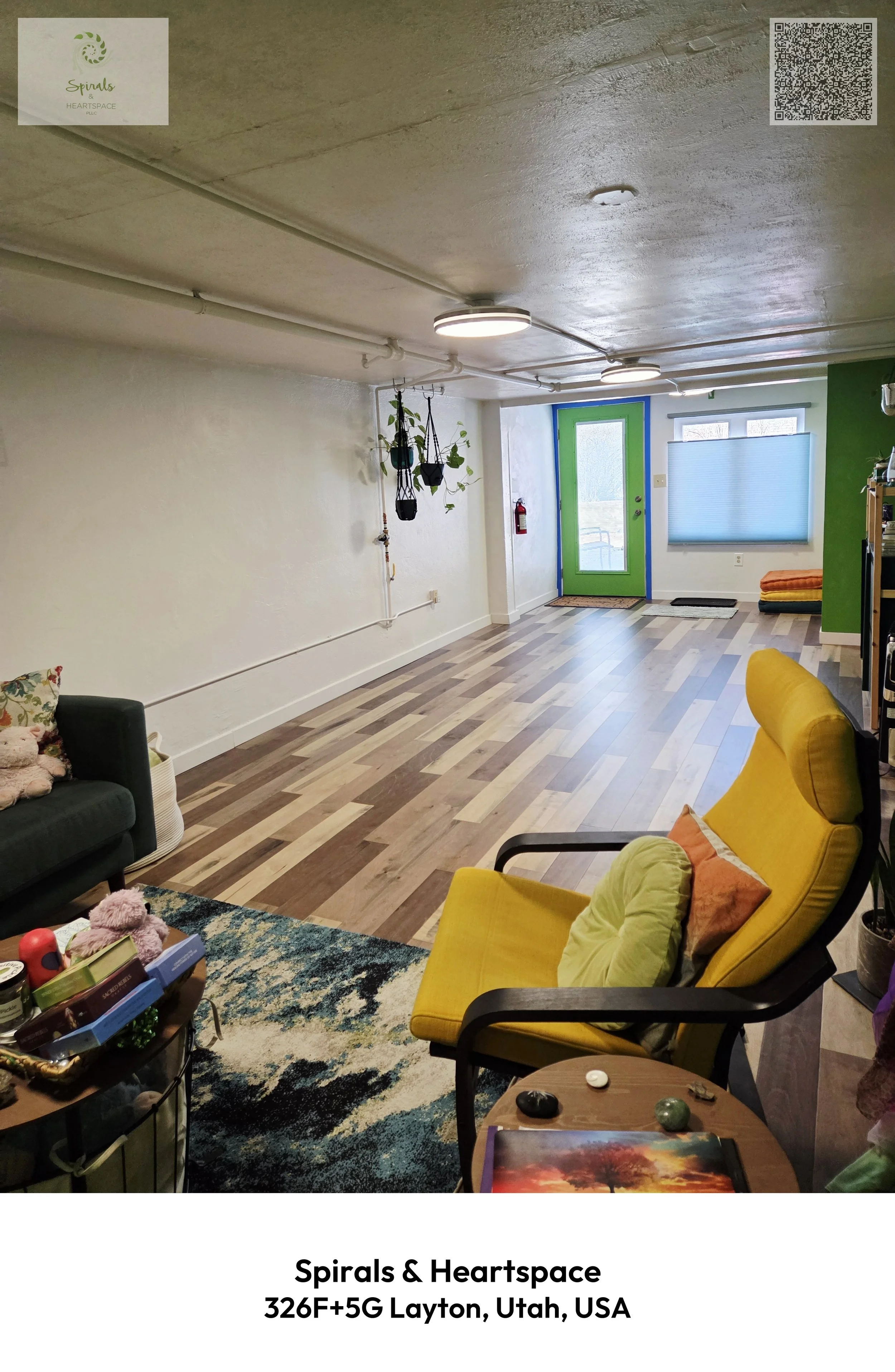
Spirals & Heartspace
Name: Spirals & HeartspaceAddress: 534 W Gentile St, Layton, UT 84041
Phone: (385) 301-5252
Website: https://spiralsandheartspacehealing.com/
Hours:
Sunday: Closed
Monday: 9:30 AM – 7:00 PM
Tuesday: 9:30 AM – 7:00 PM
Wednesday: 9:30 AM – 7:00 PM
Thursday: 9:30 AM – 7:00 PM
Friday: 9:30 AM – 7:00 PM
Saturday: Closed
Open-location code / plus code: 326F+5G Layton, Utah, USA
Coordinates: 41.0604503, -111.9762128
Map/listing URL: https://www.google.com/maps/place/Spirals+%26+Heartspace/@41.0604503,-111.9762128,766m/data=!3m2!1e3!4b1!4m6!3m5!1s0x875303311f1d4d1b:0xc6859e5e3fceafe2!8m2!3d41.0604503!4d-111.9762128!16s%2Fg%2F11x781dbvb
Embed iframe:
Socials:
Instagram: https://www.instagram.com/spiralsheartspace/
LinkedIn: https://www.linkedin.com/company/spirals-and-heartspace-pllc
TikTok: https://www.tiktok.com/@spiralsheartspace
X: https://x.com/SpiralsHea61786
YouTube: https://www.youtube.com/@SpiralsHeartspace
The practice is led by Ande Welling, a licensed clinical mental health counselor with training in dance/movement therapy, somatic work, EMDR, trauma care, relational neuroscience, and embodied attachment.
Listed services include therapy, coaching, consultation, authentic movement, trauma therapy, somatic therapy, grief counseling, movement therapy, and attachment therapy.
The practice serves adults who want a deeper body-aware approach to trauma, anxiety, depression, grief, burnout, self-abandonment, family patterns, and relationship wounds.
Spirals & Heartspace offers both in-person sessions in Layton and online therapy for clients in Utah.
The practice is locally positioned for clients in Layton, Kaysville, Farmington, Syracuse, Clearfield, Clinton, Roy, Ogden, Bountiful, Davis County, and nearby northern Utah communities.
The office is listed at 534 W Gentile St in Layton, with public listing hours Monday through Friday from 9:30 AM to 7:00 PM.
Prospective clients can call (385) 301-5252 or visit https://spiralsandheartspacehealing.com/ to ask about consultation options, session fit, and scheduling.
The public map listing for Spirals & Heartspace can help clients verify the Gentile Street office before planning an in-person appointment.
Popular Questions About Spirals & Heartspace
What is Spirals & Heartspace?
Spirals & Heartspace is a Layton, Utah psychotherapy and coaching practice offering somatic, trauma-focused, expressive arts, movement-based, and attachment-informed support for adults.
Who is the therapist at Spirals & Heartspace?
The official site identifies Ande Welling as the therapist, coach, movement facilitator, and guide behind Spirals & Heartspace. Listed credentials include LCMHC, BC-DMT, NCC, GL-CMA, BSE, EMDR Trained, and CCTP-II.
Where is Spirals & Heartspace located?
The matching public listing and LinkedIn profile list the address as 534 W Gentile St, Layton, UT 84041.
Does Spirals & Heartspace offer online therapy?
Yes. The official FAQ states that therapy is available in person or through a HIPAA-compliant telehealth platform for clients who live in Utah.
What services does Spirals & Heartspace provide?
Listed services include therapy, coaching, consultation, authentic movement, trauma therapy, somatic therapy, grief counseling, movement therapy, and attachment therapy.
What makes somatic therapy different from traditional talk therapy?
The official Layton page explains that somatic therapy works with body sensations, movement, and physical experience because trauma and emotional patterns can be held in the nervous system, not only in thoughts.
Do clients need dance experience for movement therapy?
No. The official Layton FAQ says no dance training or special physical ability is required, and that movement therapy uses a client’s natural capacity for movement to access emotions and process experiences.
Does Spirals & Heartspace accept insurance?
The official FAQ says the practice does not take insurance directly, but may provide superbills or bill for out-of-network benefits when applicable. Clients should confirm current reimbursement options directly before scheduling.
What are Spirals & Heartspace’s listed hours?
The matching public listing shows Monday through Friday from 9:30 AM to 7:00 PM, with Saturday and Sunday closed. Appointment availability should be confirmed directly.
How can I contact Spirals & Heartspace?
Call (385) 301-5252, visit https://spiralsandheartspacehealing.com/, or use the listed social profiles: https://www.instagram.com/spiralsheartspace/, https://www.linkedin.com/company/spirals-and-heartspace-pllc, https://www.tiktok.com/@spiralsheartspace, https://x.com/SpiralsHea61786, and https://www.youtube.com/@SpiralsHeartspace.
Landmarks Near Layton, UT
Spirals & Heartspace is located on West Gentile Street in Layton, Utah, with in-person therapy available locally and online therapy available for Utah residents. Clients near these landmarks can call (385) 301-5252 or visit https://spiralsandheartspacehealing.com/ to ask about somatic therapy, trauma therapy, movement therapy, grief counseling, attachment therapy, and consultation options.
- 534 W Gentile St — The listed office address for Spirals & Heartspace; clients can use the map listing to verify the office before visiting.
- West Gentile Street — The local street connected with the practice’s Layton office location.
- Downtown Layton — A practical local reference point for clients navigating central Layton.
- Layton Hills Mall — A major Layton shopping landmark and useful orientation point for clients traveling through the city.
- Interstate 15 near Layton — A major northern Utah route that helps clients reach Layton from nearby Davis County communities.
- Layton FrontRunner Station — A transit landmark for clients traveling by commuter rail through Davis County.
- Ellison Park — A local park and community landmark in Layton.
- Great Salt Lake Shorelands Preserve — A major natural landmark west of Layton and a recognizable Davis County destination.
- Hill Air Force Base — A major regional landmark near Layton and Clearfield.
- Kaysville — A nearby Davis County city listed in the practice’s surrounding service area.
- Farmington — A nearby Davis County community included in the broader local service-area language.
- Ogden — A nearby northern Utah city; clients can ask whether online Utah therapy or in-person Layton sessions are the best fit.